
Easy Homemade Gluten-Free Bagels (Soft, Chewy & Golden)
There is something special about a freshly baked bagel. That golden, slightly crisp outside, soft and chewy center, and warm bread aroma can make an ordinary morning feel a little more special. And the best part? You don’t have to give up that classic bagel experience just because you’re baking gluten-free.
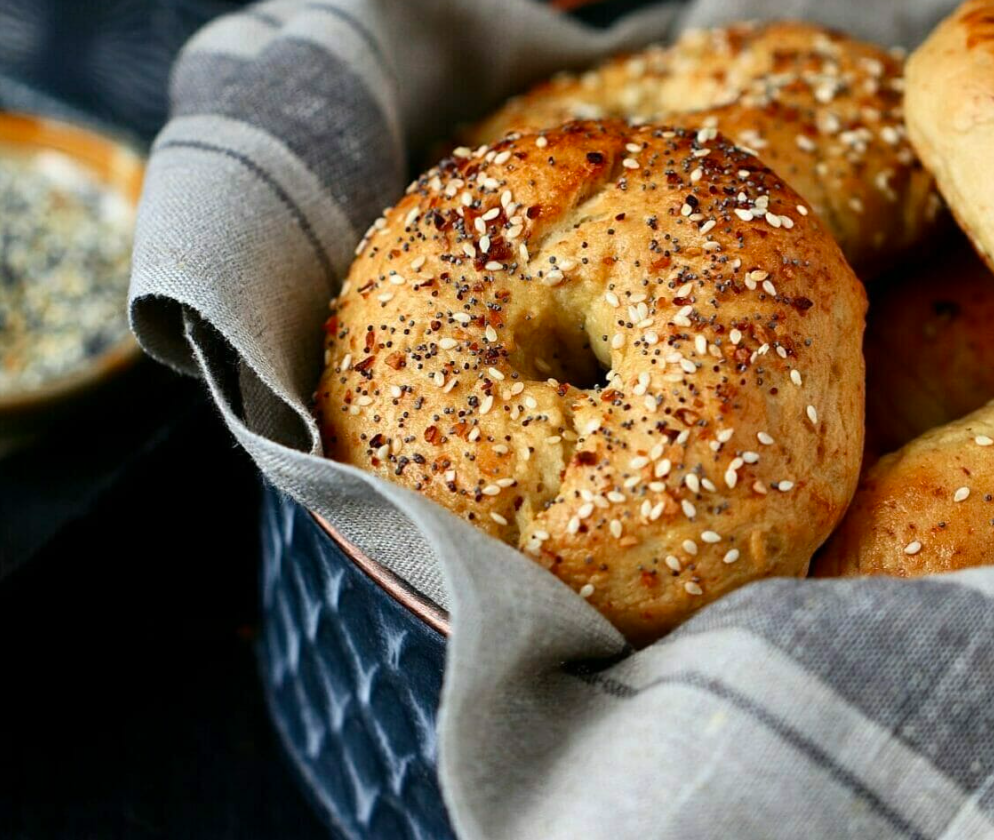
These homemade gluten-free bagels are soft, satisfying, and wonderfully chewy, with a beautiful golden crust. They are made with simple pantry ingredients, including gluten-free bread flour and psyllium husk powder, which help create a dough with better structure and texture. A quick dip in boiling water before baking gives them that familiar bagel finish.
Whether you enjoy yours toasted with cream cheese, topped with avocado, or filled with your favorite sandwich ingredients, these bagels are a lovely addition to your breakfast table. They take a little time to prepare, but most of that time is simply waiting for the dough to rise and the oven to do its work.
Once you try a batch fresh from your own kitchen, store-bought bagels may not seem quite as exciting!
Why You’ll Love These Gluten-Free Bagels
- Soft and chewy texture: Psyllium husk helps give the dough structure and a satisfying bite.
- Beautiful golden crust: Boiling the bagels before baking creates that classic bagel-style exterior.
- Simple ingredients: You don’t need complicated ingredients or special baking techniques.
- Great for meal prep: Bake a batch and enjoy homemade bagels throughout the week.
- Easy to customize: Add sesame seeds, poppy seeds, dried onion, or everything bagel seasoning.
Ingredients You’ll Need
Gluten-Free Bread Flour: Use a good-quality gluten-free bread flour blend that already contains xanthan gum. This helps create a stronger dough and a better texture.
Instant Yeast: Yeast gives the bagels their rise and creates a light, airy interior. Instant yeast can be mixed directly with the dry ingredients.
Psyllium Husk Powder: This is one of the most important ingredients in gluten-free bread baking. It helps bind the dough, improves its elasticity, and gives the finished bagels a more traditional chewy texture.
Sugar or Honey: A little sweetness helps support yeast activity and adds a subtle flavor to the dough.
Salt: Salt balances the flavor and keeps the bagels from tasting flat.
Warm Water: Use water around 100–105°F. Water that is too hot can affect the yeast, so keep it comfortably warm.
Olive Oil: Adds moisture and helps keep the inside of the bagels tender.
Egg: The egg adds richness and helps improve the dough’s structure. Another beaten egg can be used for brushing the tops before baking.
How to Make Gluten-Free Bagels
Step 1: Prepare the Dough
In a large mixing bowl, combine the gluten-free bread flour, instant yeast, psyllium husk powder, sugar, and salt. Whisk everything together so the ingredients are evenly distributed.
Add the warm water, olive oil, and one large egg. Mix for about 5 minutes until everything comes together into a soft, slightly sticky dough.
Gluten-free dough behaves differently from traditional wheat dough, so don’t worry if it doesn’t look exactly like regular bagel dough. It should be soft and manageable rather than dry or crumbly.
Step 2: Let the Dough Rise
Cover the bowl with a clean kitchen towel or plastic wrap. Leave it in a warm spot for 45–60 minutes, or until the dough looks noticeably puffed.
The dough may not double in size like traditional bread dough. That’s perfectly fine. You’re looking for a visible increase in volume and a lighter texture.
Step 3: Shape the Bagels
Once the dough has risen, divide it into 8 equal portions.
Roll each portion into a smooth ball using lightly oiled hands if needed. Poke a hole through the center of each ball with your finger and gently stretch the opening to about 1½–2 inches wide.
Remember that the holes will shrink slightly as the bagels bake, so make them a little larger than you think they need to be.
Arrange the shaped bagels on a parchment-lined baking sheet.
Step 4: Boil the Bagels
Preheat your oven to 425°F (220°C).
Bring 2 liters of water to a gentle boil in a large pot. Add the baking soda and optional honey.
Carefully lower the bagels into the water, working in batches so you don’t overcrowd the pot. Boil each bagel for 30 seconds on one side, then flip and boil for another 30 seconds.
Remove them with a slotted spoon and return them to the prepared baking sheet.
This quick boiling step is what gives bagels their signature outer texture.
Step 5: Add the Toppings
Lightly brush the tops with beaten egg to give them a beautiful shine.
Sprinkle with your favorite toppings. Sesame seeds, poppy seeds, everything bagel seasoning, dried onion flakes, and coarse salt are all wonderful choices.
You can keep them plain, too. They are delicious either way.
Step 6: Bake Until Golden
Bake in the preheated oven for 22–26 minutes, or until the bagels are deeply golden brown and cooked through.
For the best results, the internal temperature should reach approximately 205°F (96°C).
Every oven is a little different, so keep an eye on the bagels toward the end of baking.
Step 7: Cool Before Serving
Transfer the bagels to a wire rack and allow them to cool for at least 30 minutes before slicing.
I know it’s tempting to cut into one while it’s still warm, but giving gluten-free bread enough time to cool helps the inside finish setting. This makes a big difference in the final texture.
Tips for Making the Best Gluten-Free Bagels
Measure the flour carefully. For the most consistent results, use a kitchen scale rather than relying only on measuring cups. Too much flour can make gluten-free bagels dense and dry.
Don’t skip the psyllium husk. It plays an important role in binding the dough and creating a chewy texture. Make sure you’re using the specified powder rather than assuming whole husks will behave the same way.
Use warm, not hot, water. Water that is too hot can damage the yeast and affect the rise.
Keep the boiling gentle. A rolling boil can make the bagels difficult to handle. A gentle boil is all you need.
Give them time to cool. Gluten-free baked goods can be delicate when hot. Letting them cool completely helps the crumb become more stable.
What to Serve With Gluten-Free Bagels
One of the best things about homemade bagels is how many ways you can enjoy them.
For a simple breakfast, slice one in half, toast it lightly, and spread on cream cheese. Add smoked salmon, sliced cucumber, and a little fresh dill for a delicious savory option.
If you prefer something sweet, try butter and honey, peanut butter and banana, or your favorite fruit jam.
They also make excellent sandwich bases. Fill them with scrambled eggs, cheese, avocado, turkey, or fresh vegetables for a satisfying breakfast or lunch.
How to Store Homemade Gluten-Free Bagels
Allow the bagels to cool completely before storing.
Keep them in an airtight container or sealed bag at room temperature for up to 2 days. For longer storage, freeze them individually in freezer-safe bags for up to 2 months.
When you’re ready to enjoy one, thaw it at room temperature or slice it while frozen and toast until warm.
Freezing them individually makes it easy to take out just what you need without thawing the entire batch.
Frequently Asked Questions
Why are my gluten-free bagels dense?
Dense bagels can result from too much flour, inactive yeast, or an insufficient rise. Make sure your yeast is fresh, measure your ingredients accurately, and allow the dough to become noticeably puffed before shaping.
Can I make these bagels without psyllium husk?
Psyllium husk is important for the structure and chewy texture of this recipe. Simply leaving it out may result in bagels that are fragile or crumbly. Substitutions should be tested carefully because different gluten-free binders absorb moisture differently.
Can I prepare the dough ahead of time?
For the most reliable results, follow the recipe’s room-temperature rising method. Gluten-free dough can behave differently during refrigeration, so I recommend baking the bagels fresh and freezing any extras.
How do I know when the bagels are done?
Look for a deep golden-brown exterior. If you have a kitchen thermometer, check that the center has reached approximately 205°F (96°C).
Are these bagels suitable for people with celiac disease?
They are made with gluten-free bread flour, but anyone with celiac disease should check that every ingredient, including flour, yeast, psyllium husk, toppings, and baking additives, is certified gluten-free. Also use clean equipment and avoid cross-contact with gluten-containing foods.
A Fresh Batch Worth Making
Homemade gluten-free bagels are proof that you can still enjoy the simple pleasure of fresh bread without traditional wheat flour. They have a lovely golden crust, a soft center, and plenty of room for all your favorite toppings.
Make a batch for a weekend breakfast, freeze a few for busy mornings, or share them with someone who loves good homemade bread. Sometimes the best part of baking isn’t just the finished recipe. It’s the smell coming from the oven and knowing you made something delicious from scratch.
Enjoy your homemade gluten-free bagels!